Field study
What light reveals about a potato leaf
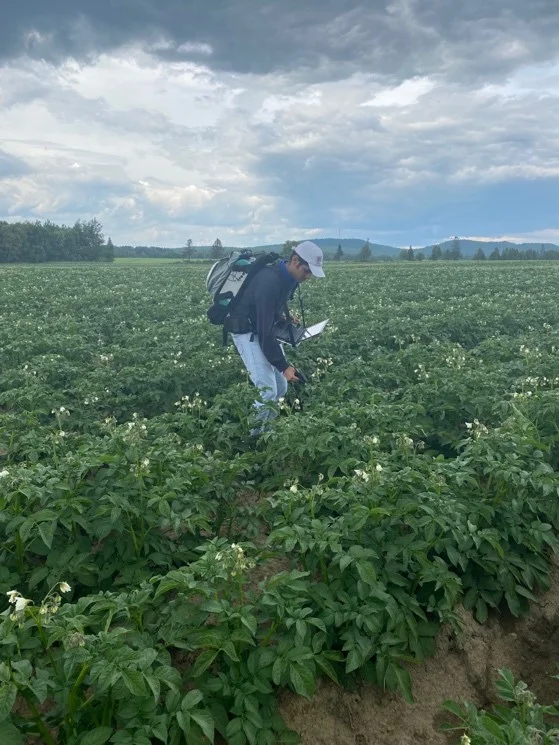
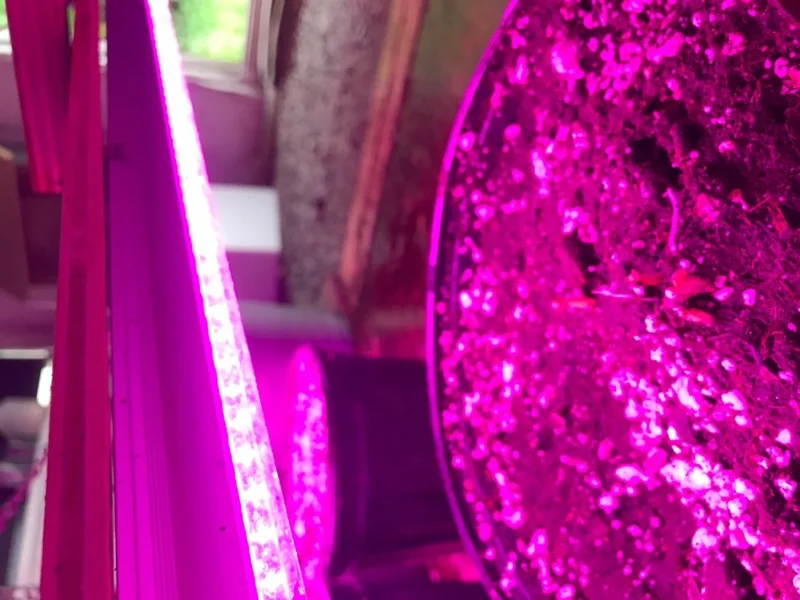
At Dalhousie University, a spectrophotometer measured the light reflected by potato leaves. The question was whether that light could reveal a nutrient deficiency while the plant was still growing.
Controls & automation engineer
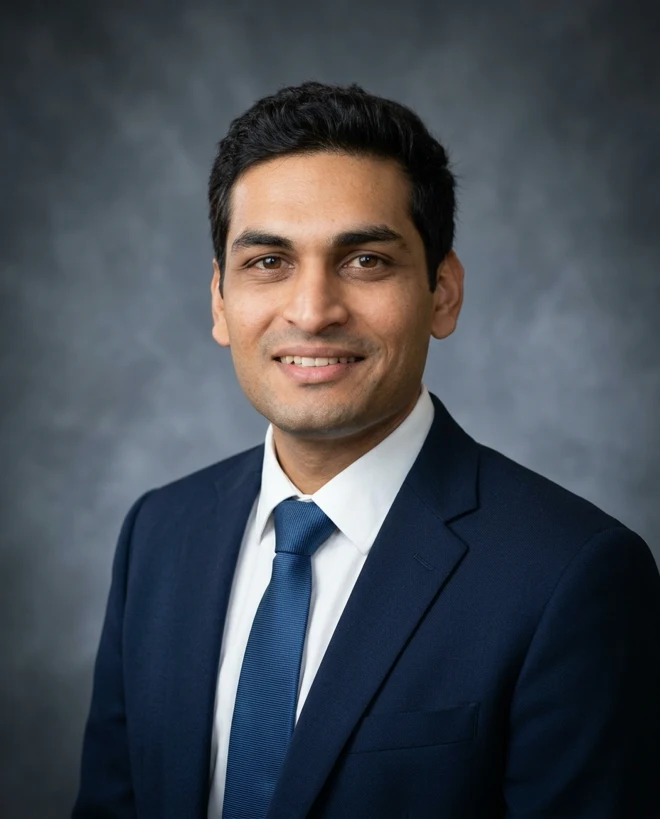
Harsh programs and commissions the systems that control buildings and monitor electrical power. His robotics research explores how mobile robots sense their surroundings, choose a route, and respond when another robot stops.
Field study
At Dalhousie University, a spectrophotometer measured the light reflected by potato leaves. The question was whether that light could reveal a nutrient deficiency while the plant was still growing.
From a camera’s defect signal to a building alarm, the job is to verify what the equipment actually did.
Industrial controls
At M.C. Dean, commissioning starts with a simple check. Does the value on the operator’s screen match the meter in the field?
Machine vision
A Cognex camera checks parts for defects. An Allen-Bradley controller sends the inspection results to an operator display with trends and alarms.
Feedback control
A feedback controller regulates temperature, humidity, and airflow in a greenhouse heated with recovered data-center heat.
Feedback control
Automated tests check a C++ feedback controller developed for a mobile robot.
Watch how a robot finds a target, chooses a path around obstacles, and turns a planned route into wheel motion.
Multi-robot systems
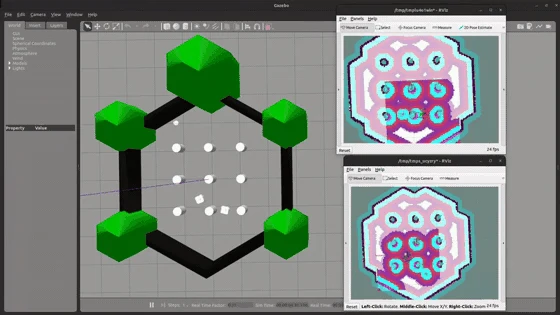
A team of simulated robots searches a map. Each robot uses its camera to spot colored targets and shares the work of covering the terrain.
Motion planning
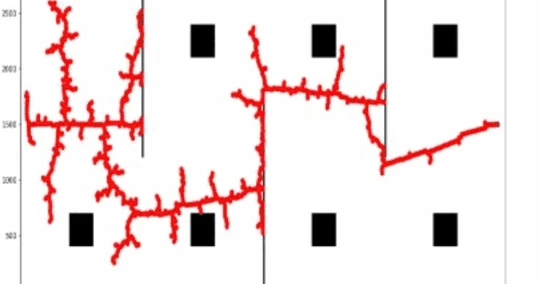
EP-RRT* directs its search toward promising routes. Four maps show how it compares with two other planners in open space, clutter, corridors, and a maze.
Mobile navigation
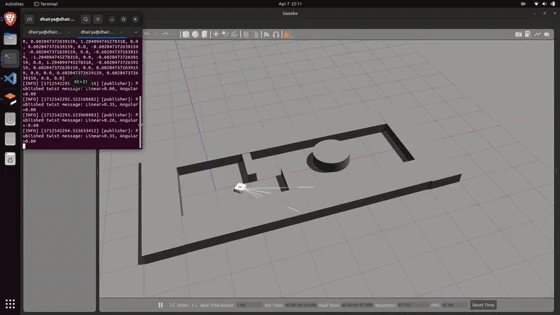
The A* planner works in pairs of wheel speeds. A Gazebo simulation shows whether the robot can follow the turns it planned.
Rover mobility
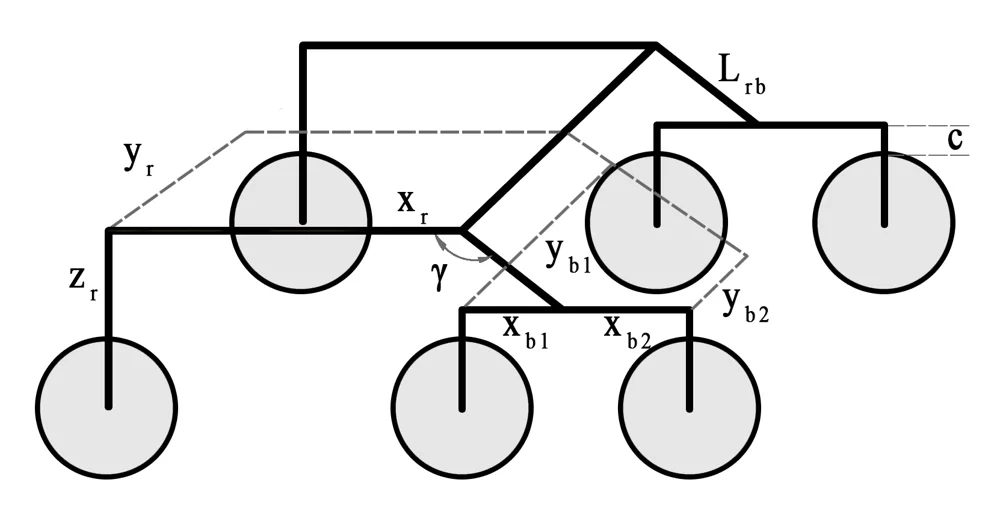
The length of each suspension link changes where a rover’s wheel meets the ground. Seven algorithms were tested against the same mobility objective.
Motion planning
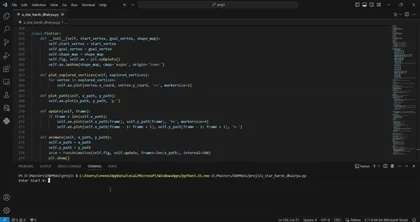
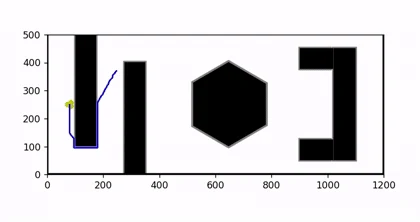
The planner leaves room for the robot’s body and its clearance from obstacles. The recording shows the search area and final route.
Motion planning
An eight-direction search explores a grid, then traces a route back from the goal.
Robot perception
Camera detections give a TurtleBot a sequence of destinations in a simulated ROS 2 environment.
Robot learning
A simulated agent learns to push and pull a block through a maze. The same task can be driven by hand to compare strategies.
A camera can follow the arc of a moving object or reveal a change in a plant. These projects show how the measurements are made.
Computer vision
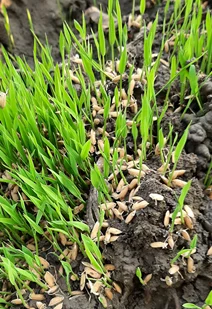
Photographs of rice grown under known nutrient conditions reveal which of five families of vision models best recognize signs of deficiency.
Computer vision
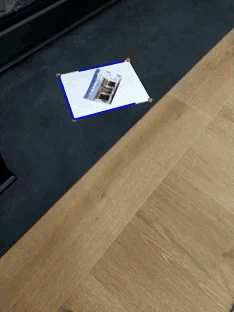
Four detected corners follow a sheet of paper as the camera moves. A second experiment stitches overlapping photographs into a panorama.
Computer vision
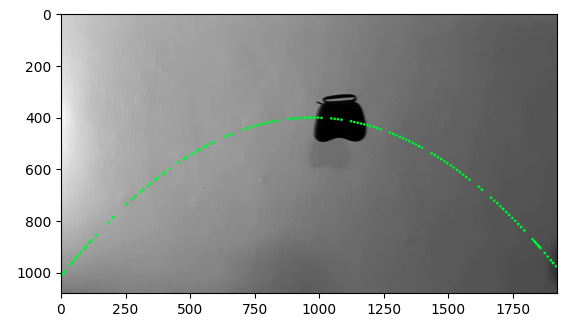
A tracker locates an object in each video frame. A curve fitted through those points reconstructs its flight.
Ongoing fleet research
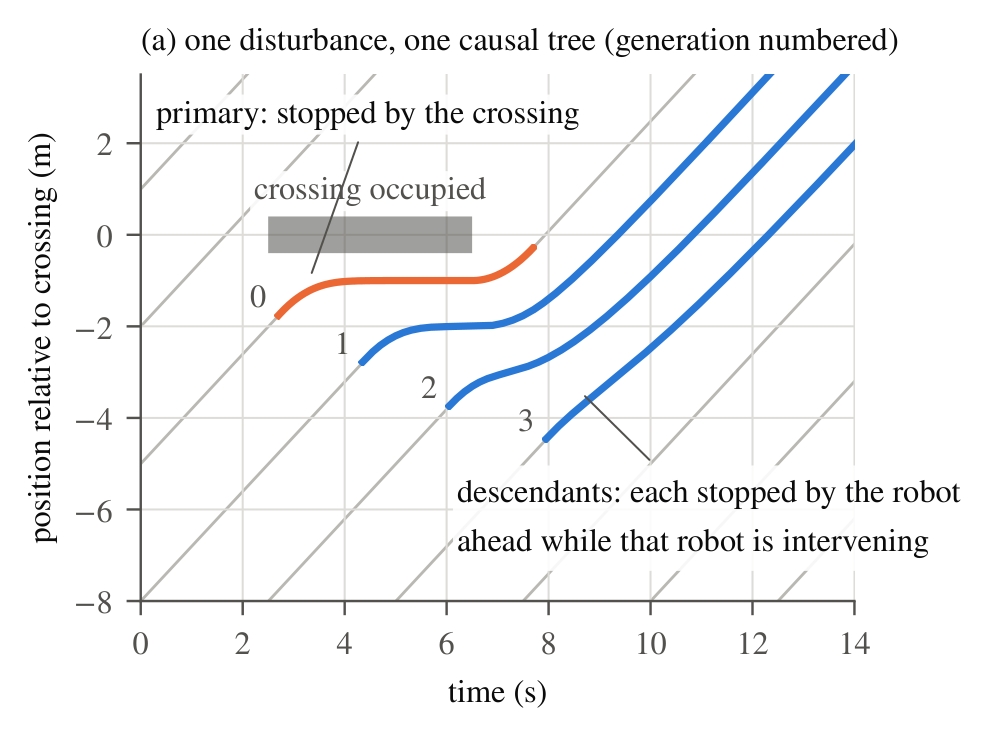
A robot brakes at a crossing. Paired simulations trace the delay through the robots behind it and measure the effect on deliveries per hour.
IEEE IAS Global Conference on Emerging Technologies (GlobConET)
arXiv · Mechanical design and optimization
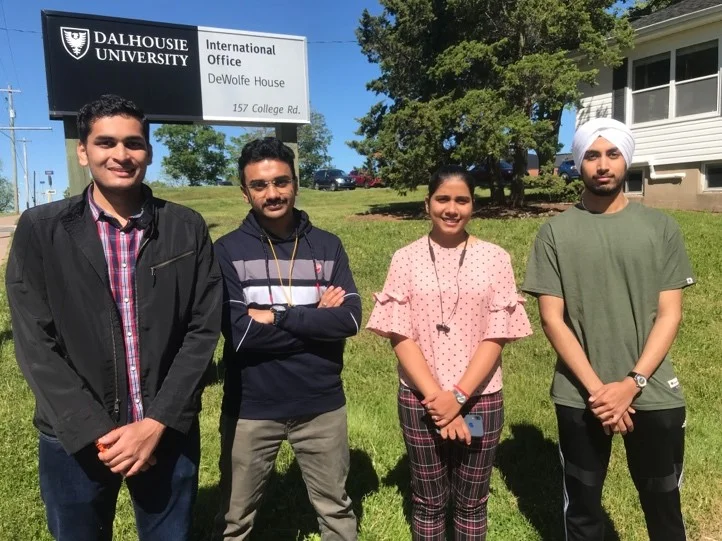
A potato leaf, a rover wheel, and a power meter have something in common. Each gives an engineer a way to check what a system is doing.
Harsh studied mechatronics at Uka Tarsadia University, worked on agricultural sensors at Dalhousie, and earned a master’s in robotics at the University of Maryland. Today, his commissioning work at M.C. Dean takes him from control software back to physical equipment. That same attention to what a machine actually does shapes his research on mobile robots.
For engineering opportunities, research collaborations, or a question about a project, send Harsh a note.
harsh.senjaliya.hs@gmail.com